As a fiction writer, one of the most valuable pieces of advice I ever received came from a literary agent who had read one of my manuscripts.
“Show, don’t tell,” she said. This basic yet crucial writing technique can be attributed to Russian playwright Anton Chekhov and has been championed by legendary writers like Hemingway and more contemporary novelists such as Chuck Palahniuk.
Don’t tell me the moon is shining; show me the glint of light on broken glass.
Anton Chekhov
That literary agent was right; my manuscript was written in the style of, “He threw the ball. She caught the ball.”
Instead, I should have written something along the lines of, “The ball arced through the sky, a blur of white against the dazzling midday sun, landing with a thud so resounding it rattled her teeth as she snatched it from the air. ‘Nice catch!’ he called, but she didn’t hear his compliment; the scent of rawhide baking in the heat and the fresh-cut grass tickling her toes evoked nostalgic memories of twilit evenings in the backyard, just she and her dad, tossing the ball back and forth until the mosquitoes drove them indoors.”
No, I did not write a baseball novel. That’s just an example I pulled out of thin air, but it perfectly illustrates the concept. Evoke the emotions of your reader by allowing them to experience your story for themselves. This fosters a deeper connection with your characters.
I shelved that particular manuscript and never looked at it again. It was an early attempt at fiction and I was still finding my footing; the problems ran much deeper than my boring play-by-play narrative. I also realized after it was finished that the main character was kind of pathetic, and even worse, a thinly veiled version of ME. Yikes! But that agent’s advice resulted in a lightbulb moment for me and, in the long run, turned me into a better writer.
“Show, don’t tell” may be my mantra for fiction, but there is one area in which I draw the line: instruction manuals.
Tara came back from Nevada with a headboard in the back of her pickup. Because she bought it from IKEA, it was actually just a box full of random items that might one day, with a little patience and a lot of luck, become a headboard (but could just as easily turn into a picnic table or a bookshelf): pressed wood and metal screws and wooden dowels, all awaiting assembly. I’m not a big fan of putting things together myself, but the price was right and the style was exactly what we’d been looking for. It was worth a little elbow grease!
When we opened the instruction manual, I groaned. It was one of those pamphlets that is all illustrations. I have a mental block when it comes to those things; my eyes immediately glaze over, and I find it impossible to tell Widget A apart from Doohickey B. I’m a writer—I like words, not pictures! User manuals are the exception to the above rule—the only booklet in which I prefer “Tell, don’t show.” Hell, I’d take a manual with assembly instructions in another language. At least then I could fire up Google Translate and find out that csavar is the Hungarian word for screw and my Vietnamese friends call a dowel a chốt.
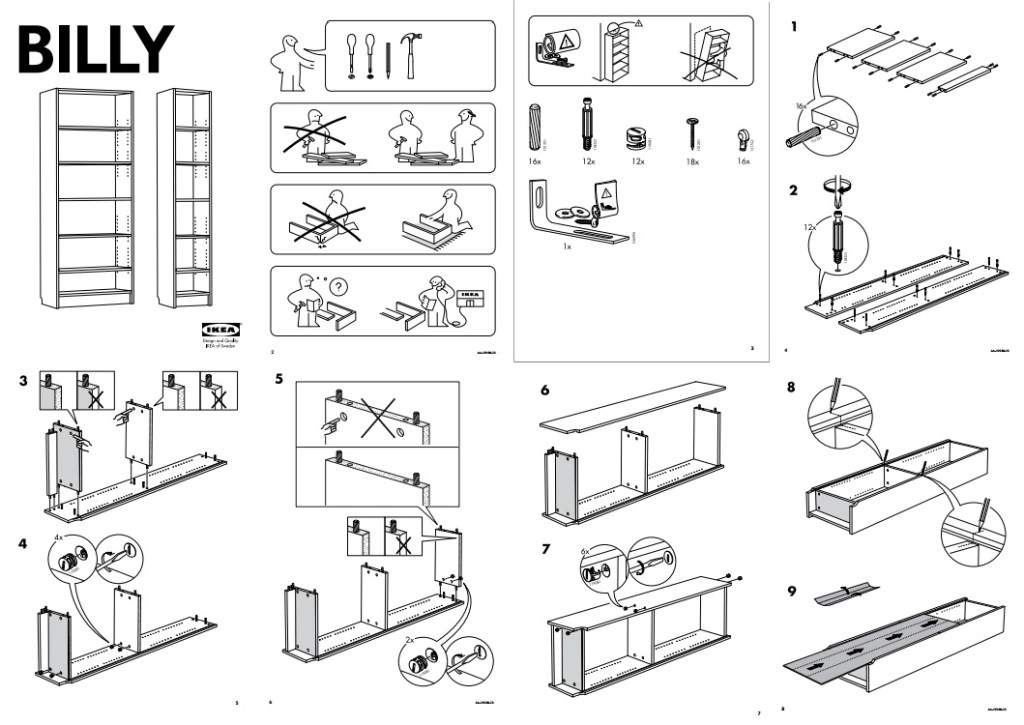
Instead, we were left with hieroglyphics, which caused us at one point to attach two pieces together upside down. Only common sense saved us from disaster; we were pretty sure the top of the headboard should be level with the supporting posts instead of eight inches lower.
&#$(%, you, IKEA!
I know I’m not the only visually-challenged one to feel this way, because memes and cartoons exist.
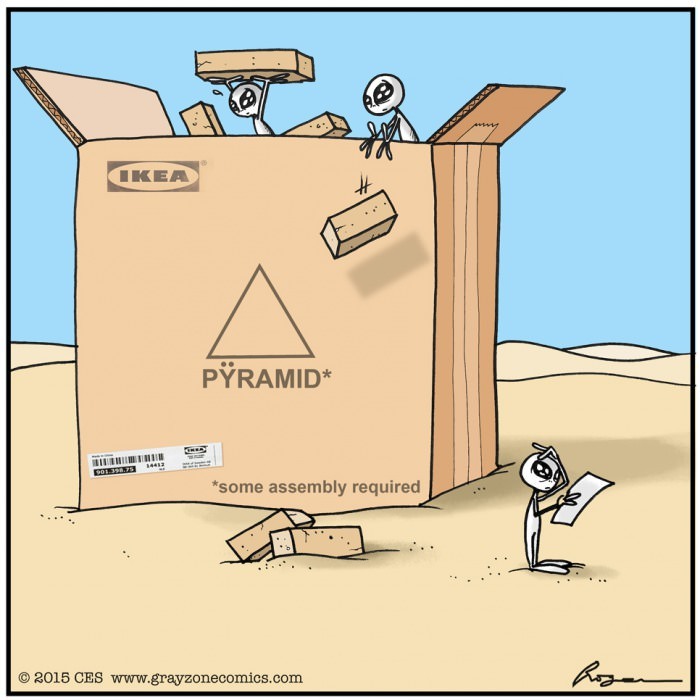
Fortunately, we were able to power through despite the lack of clear directions and, sixty minutes and many choice curse words later, had a perfectly assembled (and level) headboard.
I’m thinking of becoming a man of the cloth, guys. Only minus the cloth.
One of my company’s publications is a Bridal Guide. It turns out there are few secular options for couples wishing to get married in non-religious ceremonies in the Black Hills. This isn’t quite the Bible Belt, but a tad closer than the Pacific Northwest, anyway.
This afternoon, my supervisor (jokingly?) suggested one of us become ordained because neither the Custer nor Meade County courthouses are performing weddings anymore. It didn’t take long for another coworker to throw my name out there, essentially saying, “That seems like a Mark thing.”
I didn’t know whether to laugh or cry, but honestly, I was just waiting for somebody to bring up my name. Even I can’t deny that it seems like a very “me” thing.
If nothing else, I’d do it because it would make for a hell of a blog post. Look how much mileage I’ve gotten over the mere mention of my name!
Besides, how hard can it be? “Dearly beloved, blah blah blah, you may kiss the bride.”
I practically have the whole ceremony memorized already.
By the way, keep the boat names coming. We’ve gotten some really good suggestions so far and are continuing to weigh our options.





 Mark My Words
Leave a comment